Rma 5 rubber Specification
- Usage & Applications
- automotive
- Natural Rubber
- natural rubber
Rma 5 rubber Trade Information
- Minimum Order Quantity
- 100 Kilograms
- Supply Ability
- 5000 Kilograms Per Day
- Sample Policy
- Sample costs shipping and taxes has to be paid by the buyer
Rma 5 rubber About
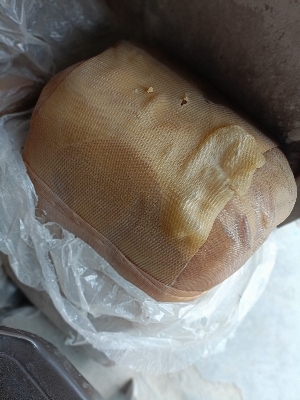
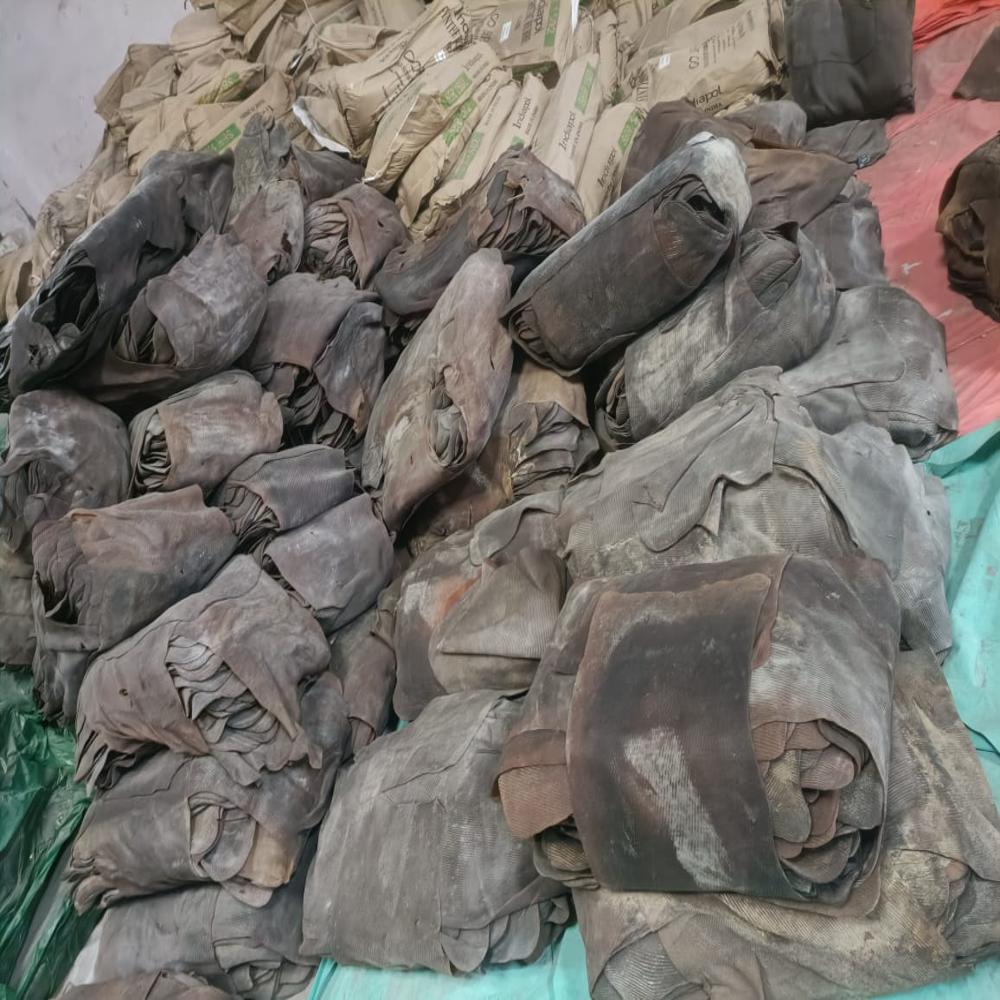
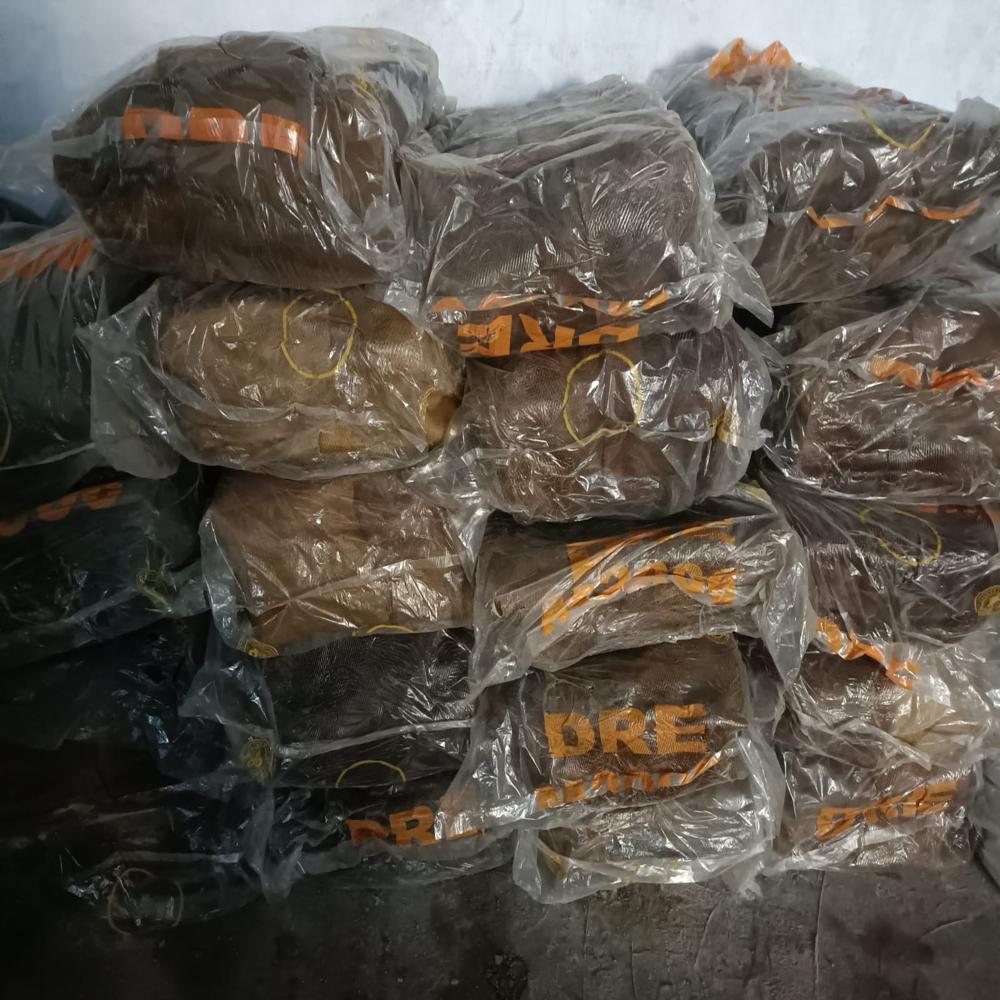
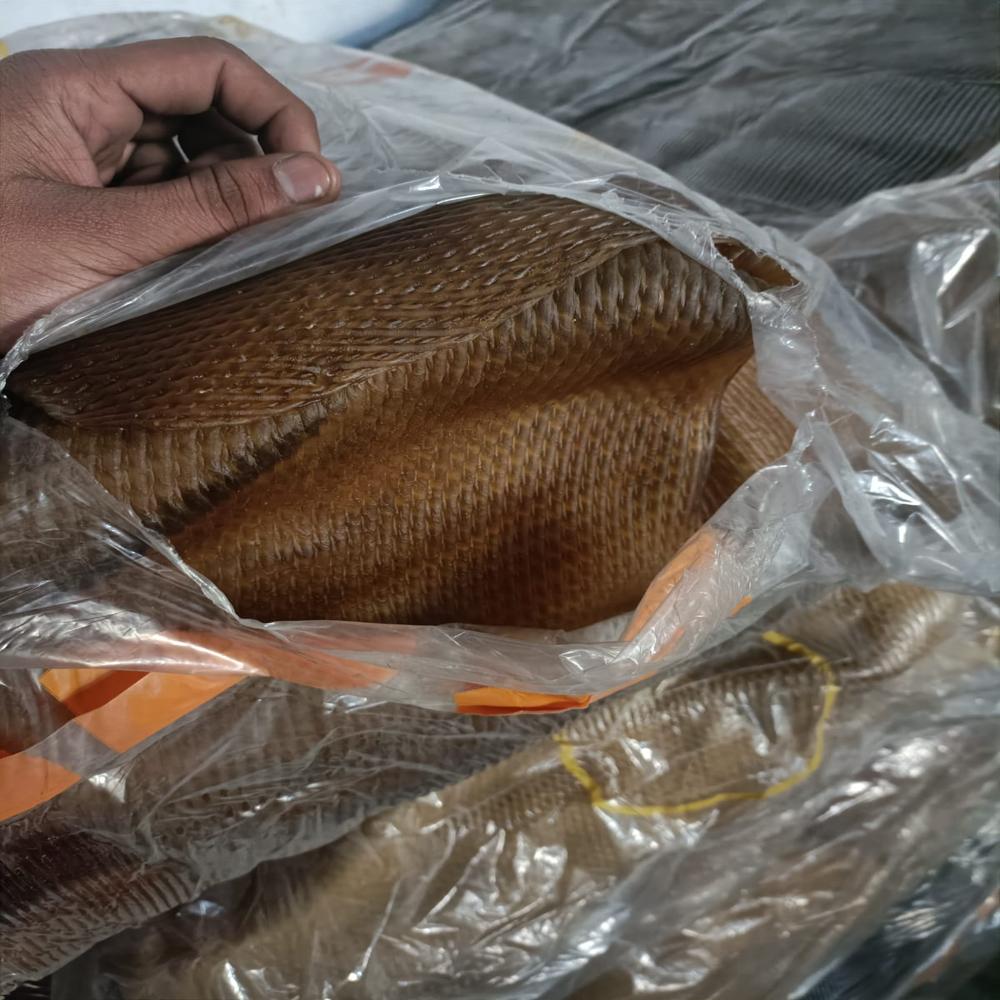
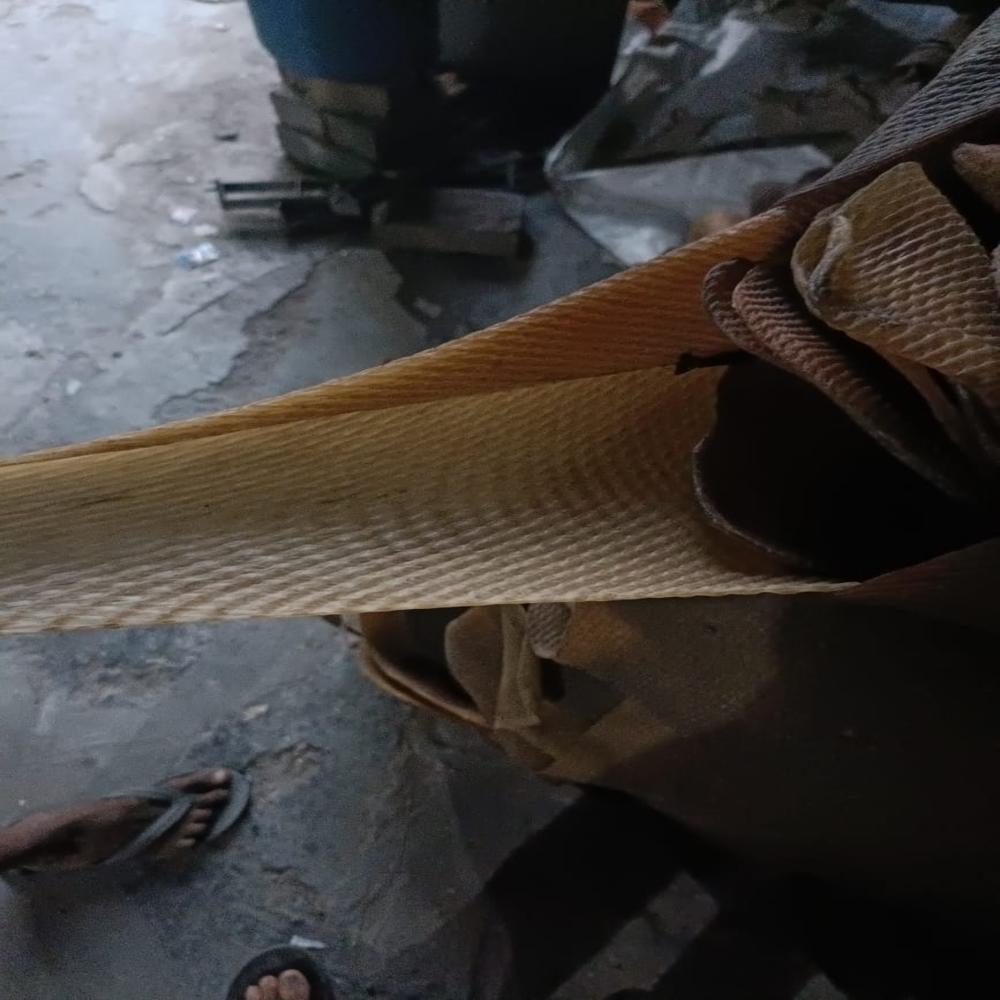
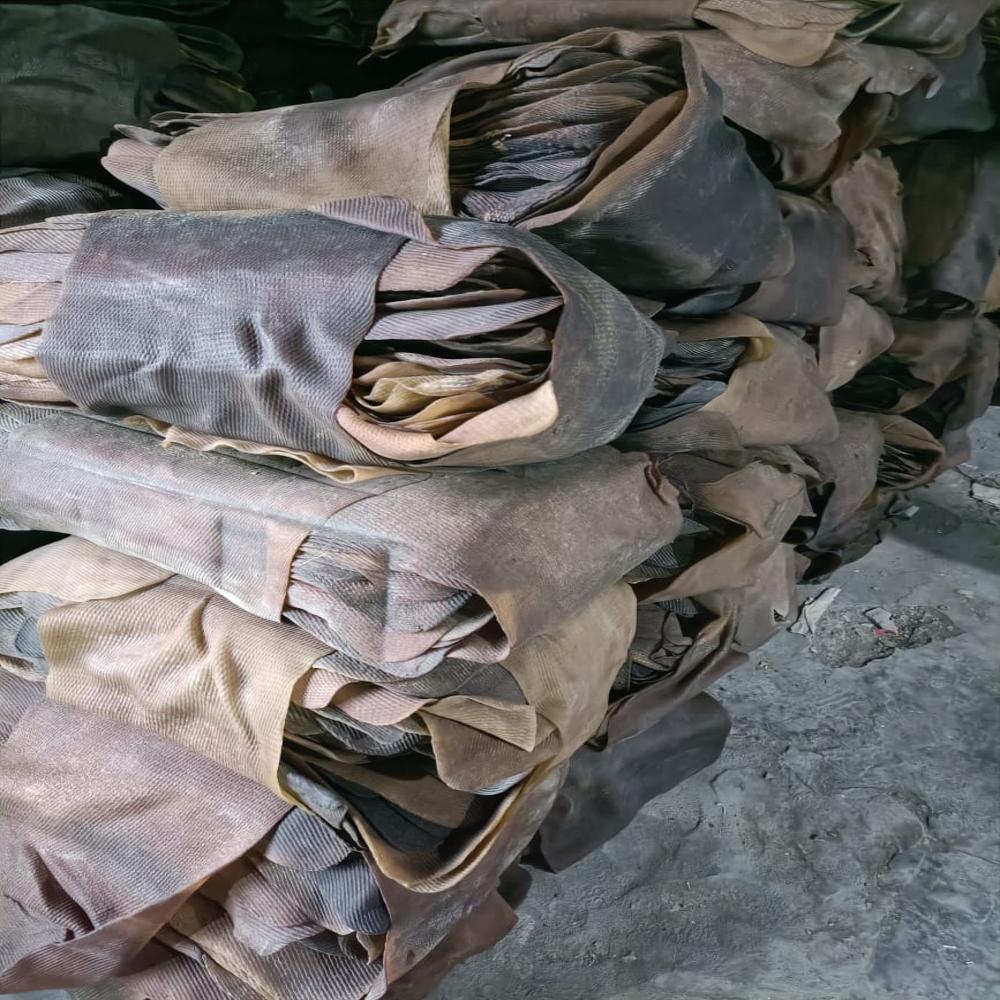
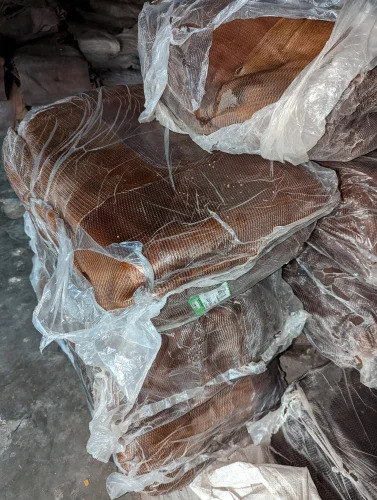
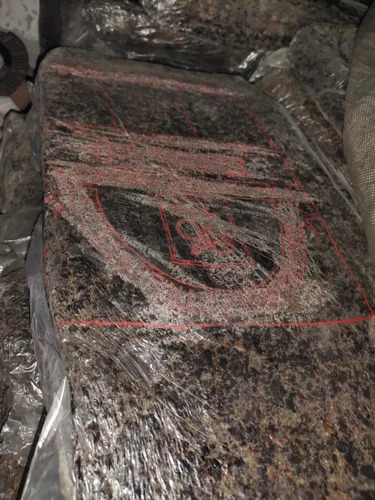
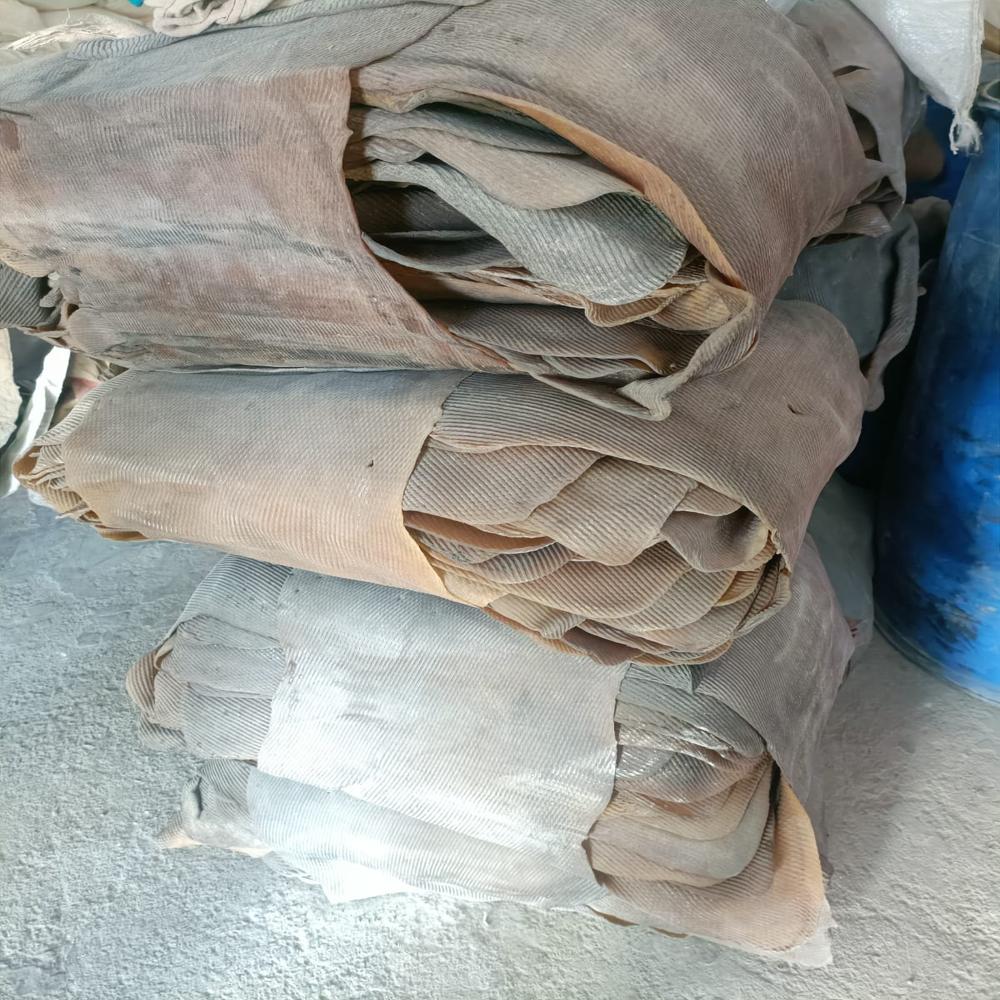
Natural rubber is a sustainable elastomer derived from the milky sap (latex) of the Hevea brasiliensis tree, primarily composed of polymers of isoprene. It is highly valued for its exceptional elasticity, tear resistance, and tensile strength, making it crucial for tires, medical equipment, and industrial applications. Frontiers for Young Minds Frontiers for Young Minds +3 Key Aspects of Natural Rubber: Production & Source: Over 99% of natural rubber is derived from the Hevea brasiliensis tree, with Southeast Asia providing about 80% of global production. It is collected by tapping the tree, then coagulated with acid and processed into sheets or blocks. Properties: It possesses superior tear resistance ( ) and elasticity ( elongation). It is highly durable and exhibits excellent vibration dampening compared to synthetic alternatives. Vulcanization: Raw natural rubber is sticky and brittle. It is treated with sulfur and heat (vulcanization) to harden it while retaining its elasticity for industrial use. Key Applications: Major uses include automotive tires, footwear, medical devices (gloves), and technical products like hoses, gaskets, and conveyor belts. Sustainability: While renewable, the industry is moving towards sustainable sourcing (e.g., FSC certification) to prevent deforestation and protect biodiversity, according to the Forest Stewardship Council. Frontiers for Young Minds Frontiers for Young Minds +8 The materials strength lies in its ability to outperform synthetic rubbers in durability and flexibility, despite being vulnerable to oils and UV light. Qualiform Custom Rubber Molding Qualiform Custom Rubber Molding




 Send Inquiry
 Send Inquiry

