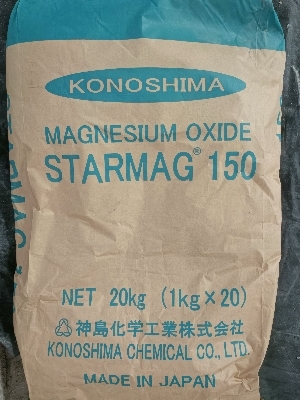
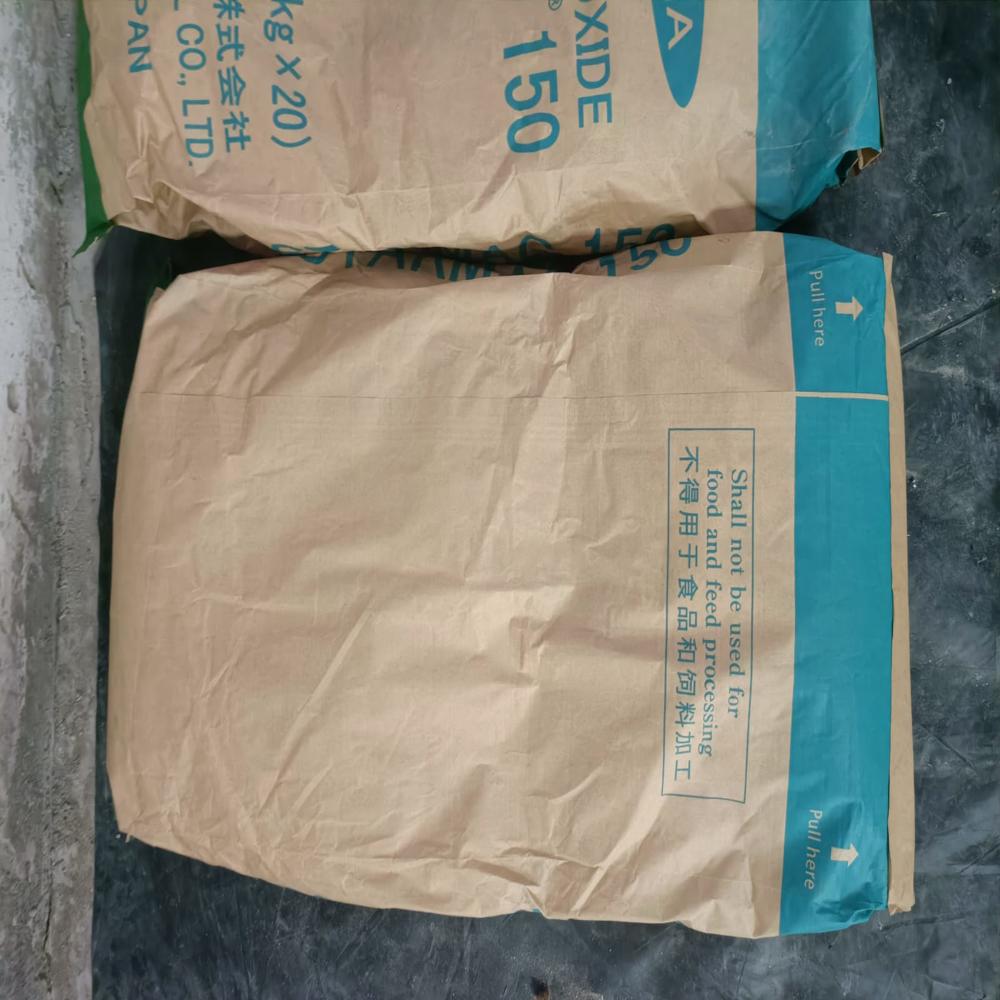
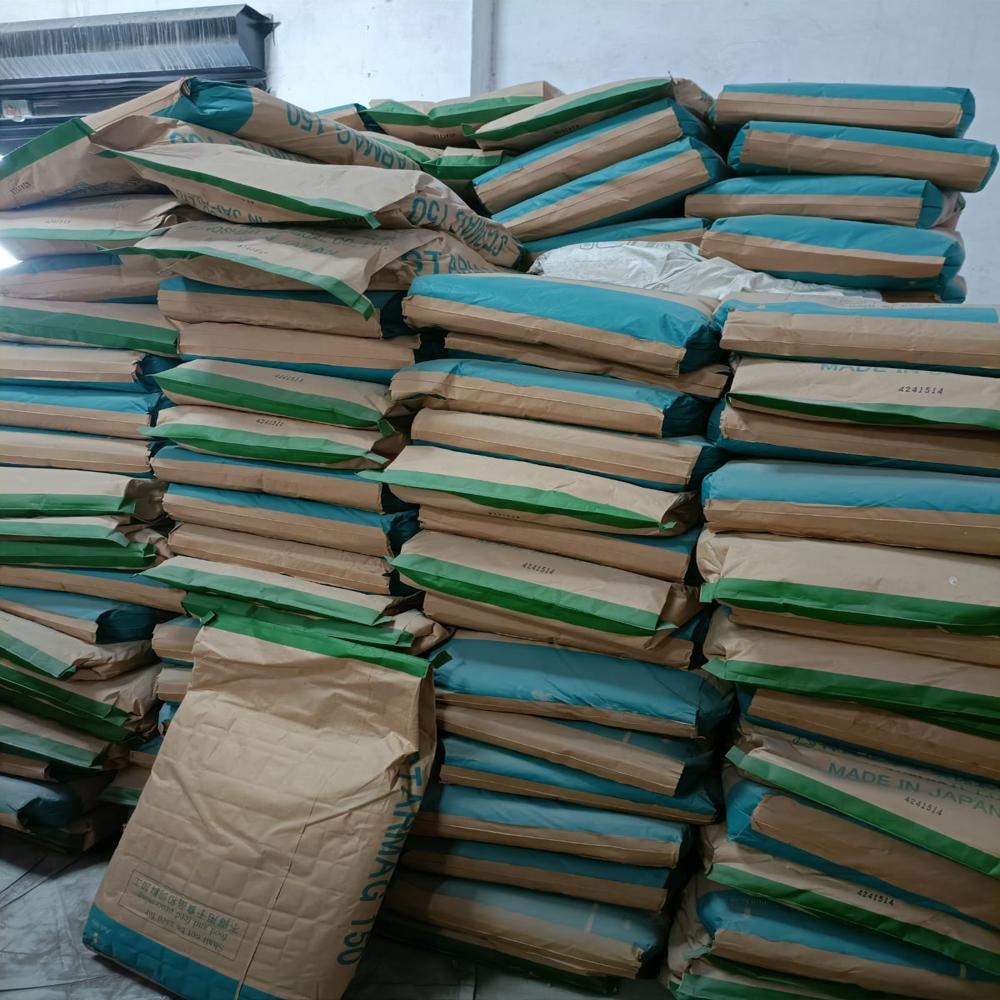
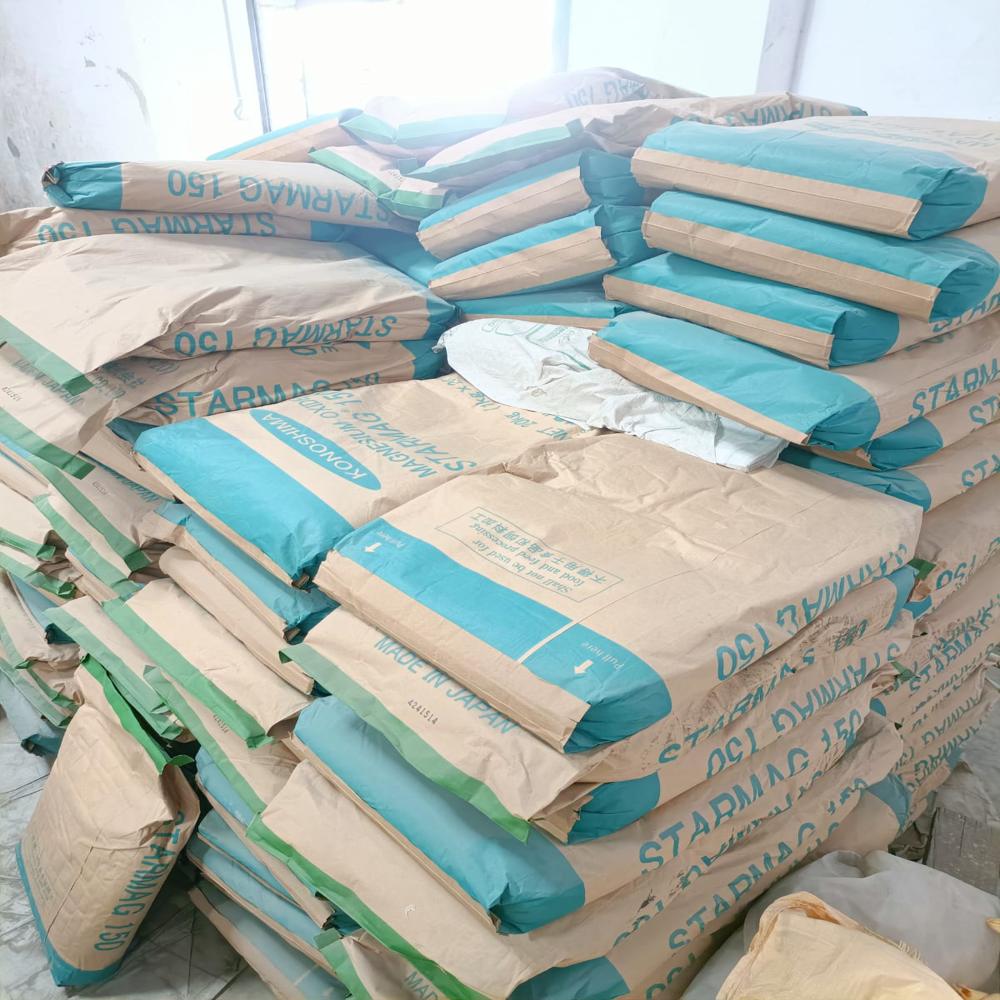
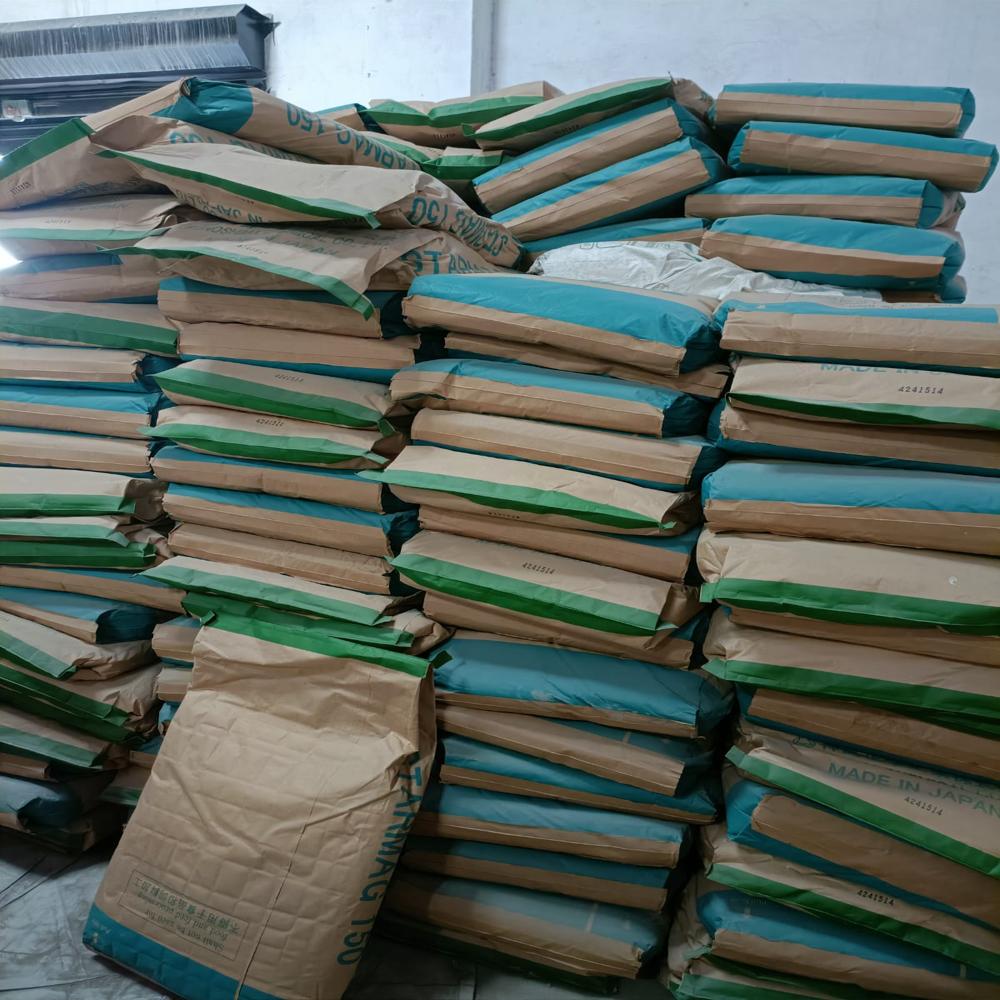
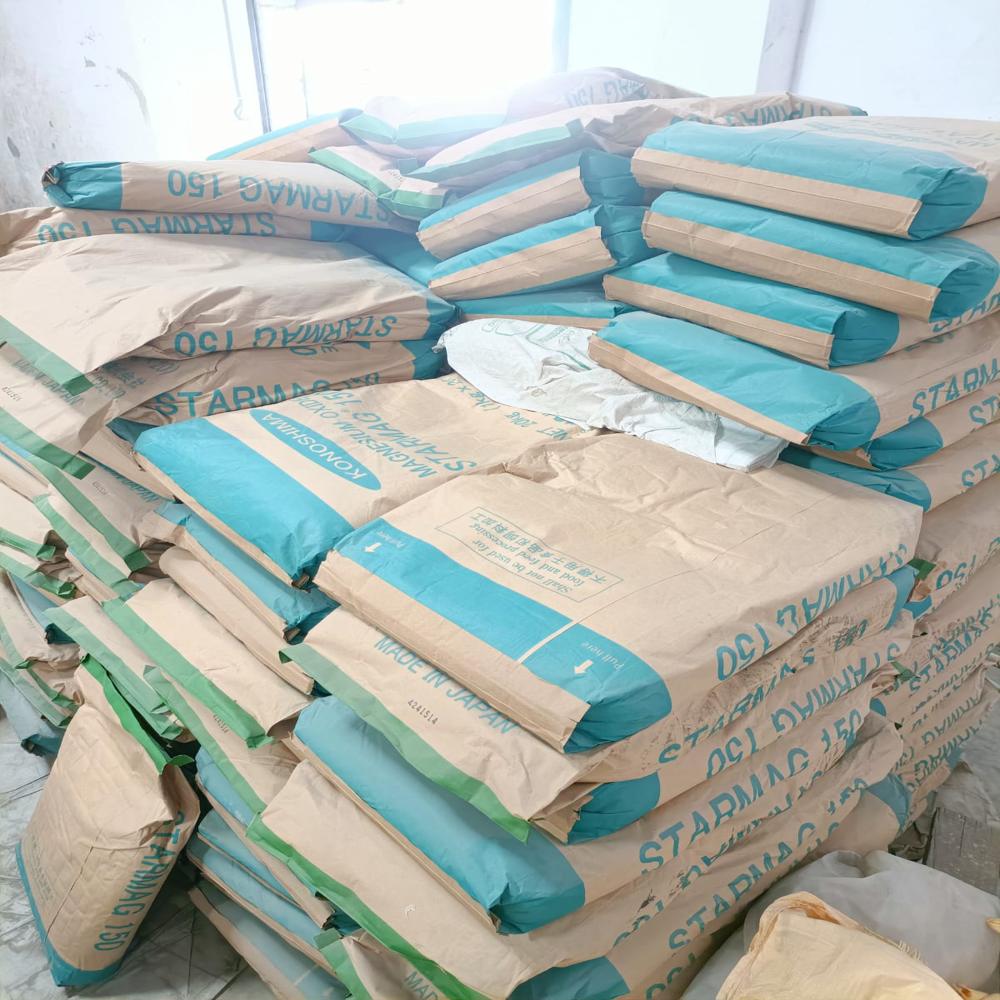
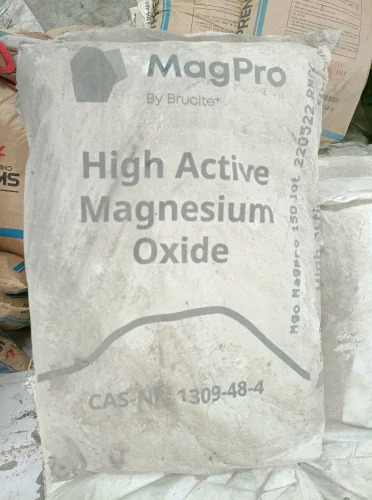
About Magnisium oxide MGO
Magnesium oxide ( ) is widely used as a magnesium supplement to treat deficiencies, an antacid for heartburn and indigestion, and an osmotic laxative to treat constipation. It is also used to help reduce migraine frequency, manage anxiety, and in industrial settings for fireproofing, agricultural fertilizers, and treating wastewater.
Application VersatilityMagnesium Oxide (MgO) stands out for its diverse applications across various sectors. Its utility spans the refractory industry, agriculture as a fertilizer, animal feed additive, pharmaceuticals for antacids, construction materials, and ceramic manufacturing. Its adaptability makes it an essential component for different industrial needs, supporting both technical and pharmaceutical grade requirements.
Physical and Chemical AdvantagesMgO features an angular, irregular particle morphology with bulk densities tailored as light (0.3-0.5 g/cm3) or heavy grade (0.8-1.0 g/cm3). It is a potent electrical insulator, odorless, and stable under high temperatures. Its insolubility in water and solubility in acids or ammonium salts make it valuable for a variety of chemical applications. Proper storage extends its shelf life to 24 months.
FAQ's of Magnisium oxide MGO:
Q: How should Magnesium Oxide (MgO) be stored for optimal shelf life?
A: Magnesium Oxide should be stored in a cool, dry, and well-ventilated area, kept in its original unopened packaging, away from incompatible substances. Proper storage ensures a shelf life of 24 months from the date of manufacturing.
Q: What are the main applications of Magnesium Oxide powder and granules?
A: MgO is primarily used in the refractory industry for furnace linings, as a fertilizer and animal feed additive in agriculture, a pharmaceutical ingredient for antacids, construction material stabilizer, and in ceramics manufacturing.
Q: When should Magnesium Oxide be used instead of other alkaline earth oxides?
A: MgO is chosen when high thermal stability, electrical insulation, and chemical resistance are required, such as in high-temperature or corrosive environments, making it preferable over other oxides in these settings.
Q: Where can Magnesium Oxide be sourced with assured quality standards?
A: Magnesium Oxide sourced from suppliers and traders in India often meets BIS, ASTM, JIS, and USP standards, ensuring quality for industrial, food, and pharmaceutical applications. Product documentation and certification should always be requested.
Q: What is the process for using MgO as a fertilizer in agriculture?
A: MgO is applied by incorporating it into soil or animal feed mixes to supply magnesium, an essential nutrient for crop growth and animal health. Application rates depend on soil tests and specific crop requirements.
Q: How does Magnesium Oxide benefit industrial processes?
A: Its insulating properties, high melting point, and reactivity with acids make MgO beneficial in producing refractories, preventing caking in chemicals, treating wastewater, and improving the quality of ceramics and construction materials.




 Send Inquiry
 Send Inquiry

